The smell of a perfectly seared steak or a fresh batch of bread can make any kitchen feel like a culinary paradise. But beneath the delicious aromas, a silent and dangerous enemy lurks: accumulated grease. Commercial rangehoods, while essential for ventilation, can become veritable grease traps—a highly flammable mixture of oils and particulate matter. When this buildup reaches critical mass, it poses a severe fire risk. Given the inherent danger, many business owners spend considerable time and money on preventative cleaning. This naturally leads to a critical, yet often confusing, question: is commercial rangehood cleaning covered by insurance? Understanding the relationship between maintenance, safety codes, and insurance policies is not just about reading fine print; it is about protecting your livelihood, your staff, and your patrons. This detailed guide will illuminate the often-opaque waters of commercial insurance to help you make informed decisions about maintaining a safe, compliant, and operational kitchen environment.
Understanding the Critical Role of Commercial Ventilation
Before diving into the legal and financial aspects, it is vital to grasp why cleaning the rangehood system is such a high-priority operational task. The system is designed to pull smoke and steam out, but if the ducts, filters, and grease filters are neglected, the system essentially becomes a ticking time bomb. Grease buildup isn't just unsightly; it is a fuel source waiting for an ignition point.
The Dangers of Neglect and Code Compliance
Commercial kitchen safety is governed by strict local and national codes, most notably those established by the National Fire Protection Association (NFPA). These codes are not merely suggestions; they are non-negotiable mandates designed to prevent catastrophic failure. Neglecting cleaning means operating in violation of these established safety standards.
- Fire Hazard: Grease, especially when mixed with fine particulates, can ignite spontaneously or from a minor heat source, leading to rapid, intense fires that spread quickly through ventilation systems. Equipment Failure: Clogged systems reduce efficiency, leading to overheating and potential failure of expensive, critical equipment. Legal Liability: If a fire occurs and it is later determined that routine, mandated cleaning was neglected, the business owner could face massive fines, civil lawsuits, and, most critically, the revocation of their operating license.
What the Law Says About Maintenance
Local fire marshals and health department inspectors are the primary enforcers of these standards. They do not look at your profit margins; they look at your compliance records. Think of these codes as the operating manual for your business’s safety. Ignoring them is like trying to drive a car with the emergency brake permanently engaged—it might not fail dramatically, but it certainly won't work correctly when you need it most.
Navigating the Insurance Policy Landscape
Now we tackle the core question: is commercial rangehood cleaning covered by insurance? The short answer, and this is where the complexity begins, is that generally, the policy does not cover the cost of preventative maintenance itself. Insurance is designed to compensate for loss or damage after an unfortunate event, not to pay for routine upkeep.
Policy Language: The Grey Area
When reviewing a Commercial General Liability (CGL) or Property Insurance policy, you will rarely find a clause that says, "We will pay for annual grease trap cleaning." Instead, the policy assumes that the business owner is responsible for maintaining the property in a safe, code-compliant manner.
However, the policy does become relevant in two key ways:
Deductibles: If a fire occurs due to negligence (like a known grease buildup), the insurer will investigate the cause. If they find that the business violated code by ignoring mandatory cleaning, they may argue that the resulting damage is not a covered loss, thus leaving you responsible for the deductible and potentially more. Coverage Limitations: Insurance policies often contain specific exclusions for damage resulting from "improper maintenance" or "non-compliance with local codes."This means that while the insurance company isn't paying for the cleaning, the failure to clean could jeopardize your claim entirely.
Prevention vs. Reaction: When Insurance Steps In
Consider this anecdote: A beloved local Italian restaurant, known for its incredible pasta, suffered a devastating fire. The investigation revealed that while the fire was intense, the initial ignition source was a severely neglected grease buildup in the ventilation system. The owner's insurance covered the structural damage, but the investigation highlighted the massive liability resulting from the lack of maintenance. This demonstrates that while the policy might pay out, the underlying safety failure remains the business's responsibility.
A wise quote from the industry states: "Safety compliance is not an expense; it is a non-negotiable cost of doing business." Understanding this shifts the mindset from seeing cleaning as a cost to viewing it as risk mitigation.

Establishing a Robust Safety Protocol
Since the insurance policy will not write a check for your annual cleaning, you must establish internal protocols that prove due diligence. This documentation is your strongest defense should a claim ever be filed.
Building a Comprehensive Maintenance Schedule
A proactive approach is your best friend. You should treat your ventilation system with the same care you treat your most expensive piece of cooking equipment.
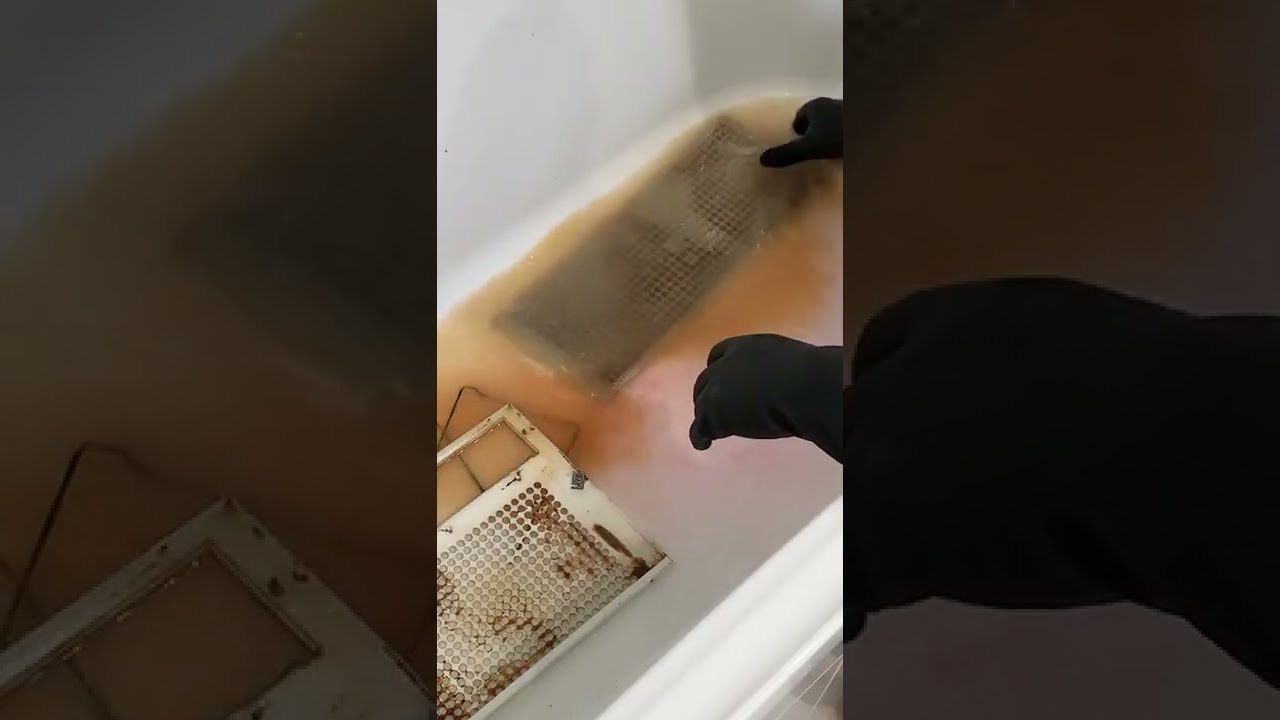
- Routine Cleaning: Implement a strict, written schedule for filter cleaning and grease removal, adhering to the recommendations of your local fire marshal. Professional Inspections: Do not rely on internal staff for complex systems. Hire licensed, certified professionals. They bring specialized knowledge that goes far beyond simply scrubbing filters. Documentation is Gold: Keep every single invoice, inspection report, and cleaning receipt. If a claim ever arises, these documents are the evidence that you acted responsibly and diligently.
Vetting Professional Cleaning Services
Choosing the right vendor is paramount. You need duct and exhaust fan cleaning Sydney a service that is not only skilled in the physical act of cleaning but is also knowledgeable about the latest fire codes.
When vetting services, ensure they can provide:
- Certifications: Proof of training and adherence to industry standards. Detailed Reports: A written report after every service detailing what was found, what was done, and what needs monitoring. Insurance Proof: The service itself should carry appropriate liability insurance.
Keeping Your Kitchen Operational and Safe
Ultimately, the question of is commercial rangehood cleaning covered by insurance? is a red herring designed to make you focus on payments rather than prevention. The key takeaway is that compliance is the insurance policy for your business's continued operation.
By treating your ventilation system not as an afterthought, but as a critical, highly regulated component of your infrastructure, you are doing more than just cleaning grease—you are investing in peace of mind. Are you willing to gamble your business on the hope that a fire won't happen, or will you invest in the visible proof that you are doing everything in your power to prevent it?
By integrating rigorous, professionally documented maintenance into your routine, you are building a safety net that no policy clause can match. Prioritizing these procedures ensures that when the inevitable day comes to review your records, your story is one of diligence and care, not neglect and hazard.
HygieneXperts - Commercial & Residential Cleaning Services
12C Tungarra Rd Girraween NSW 2145 Australia,
61498203983